XeriscapeA water-wise approach that combines good planning, soil improvement, efficient irrigation, mulch and well-suited plants. in Houston is not the cactus-and-rock yard people picture from Arizona. Our climate swings from weeks of drought to storms that dump several inches of rain in an hour, so a water-wise landscape here has to survive both. Plants that love dry desert soil often rot in wet Expansive clayClay soil that swells when wet and shrinks when dry. Much of the Houston area sits on it, and it affects foundations, paving and drainage design. In practice: Keeping soil moisture around a slab foundation steady, without ponding or bone-dry spells, is part of good drainage design here., and gravel areas laid flat turn into shallow ponds.
A well-built Houston xeriscape uses native and adapted plants, a smaller lawn, efficient Drip irrigationLow-flow tubing or emitters that deliver water directly to plant roots, reducing waste and keeping foliage dry., and MulchA layer of organic or mineral material spread over soil to hold moisture, moderate soil temperature and suppress weeds. In practice: In heavy rain, light mulch can float and wash onto paving. Placement and edging should account for water flow. or gravel to cut your outdoor water use while still looking green and full. It reduces mowing, watering, and replacement plants. The key is building it for our soil and rain, not copying a design meant for El Paso.
What's under it · tap a layer
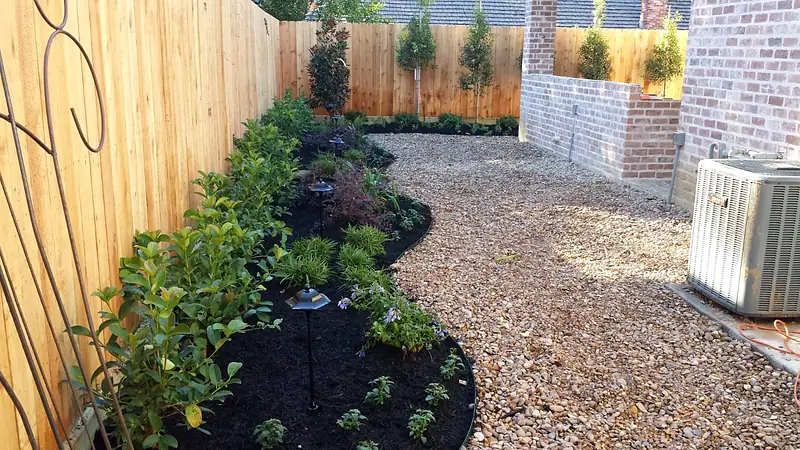
Hardwood mulch. A layer over the soil that holds moisture, evens out soil temperature and keeps weeds down.
01
Is Xeriscaping Right for Your Houston Yard?
Xeriscaping is a good fit if your water bill spikes every summer, if you are tired of mowing a lawn that only looks good four months a year, or if parts of the yard are too hot and dry for grass to keep up. It also suits homeowners who travel, rental properties, and anyone who wants the yard to look good without constant maintenance.
It is not all or nothing. Many of our clients keep a smaller lawn where kids and pets play, then convert side yards, parkways, hot west-facing beds, and areas that are hard to irrigate. That hybrid approach usually delivers most of the water savings while keeping the yard comfortable to use.
02
How Xeriscaping Works in a Wet-and-Dry Climate
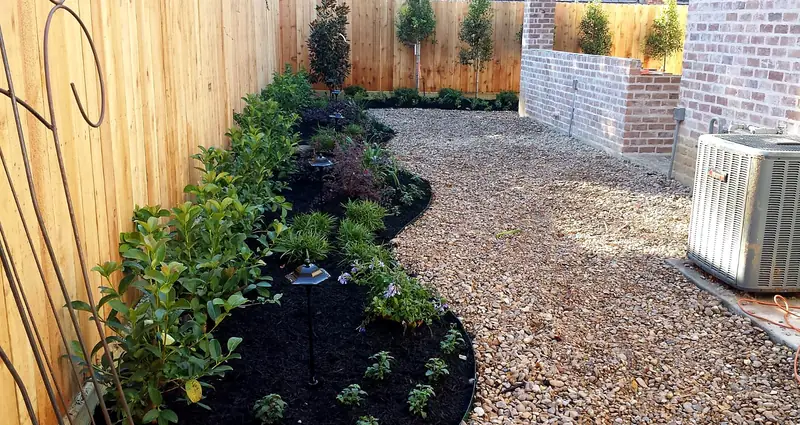
Classic xeriscape principles still apply: plan the layout, improve the soil, limit turf to where it is useful, choose suitable plants, irrigate efficiently, mulch, and maintain. What changes in Houston is drainage. Heavy clay holds water after storms, so drought-loving plants such as agave, yucca, cenizo, and many salvias need raised or amended beds with expanded shale and coarse material so their roots do not sit wet.
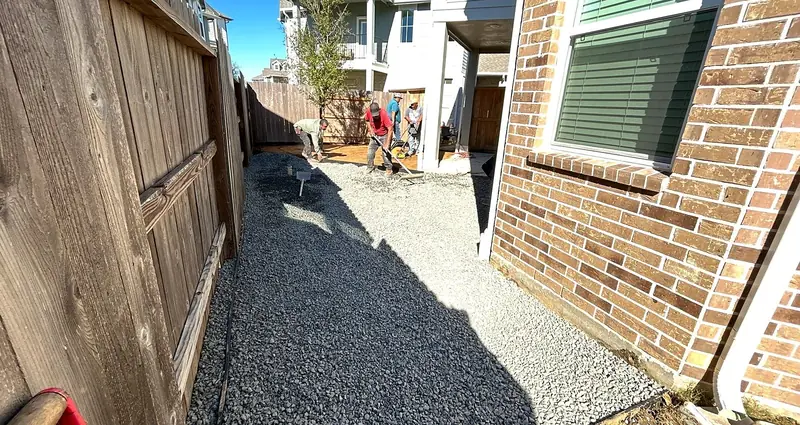
Gravel and decomposed granite areas also need a slope or a subsurface path for water. Laid flat over clay, they hold puddles and push water toward the house. We grade xeriscape areas the same way we grade a patio, and where storms overwhelm the yard we tie in surface water drainage so rain has a defined way out.
03
Our Xeriscaping Process
We build water-wise landscapes in a set order so plants go into soil that drains and beds that hold their shape.
- Site visit to map sun, shade, drainage, and where lawn is actually used
- Plan zones: lawn to keep, planted beds, gravel or decomposed granite areas, paths
- Remove turf and roots from conversion areas
- Grade for drainage and raise beds with expanded shale and compost where needed
- Install edging to separate gravel, mulch, and lawn
- Lay geotextile under gravel areas, then place and compact rock or decomposed granite
- Plant natives and adapted plants grouped by water needs
- Convert or install drip irrigation and set a lighter, seasonal schedule
04
Native Plants and Hardscape Materials for Houston Xeriscapes
Plants that handle both our heat and our rain include Gulf muhly, Turk's cap, flame acanthus, salvia greggii, lantana, esperanza, Mexican feathergrass in drier spots, red yucca in raised beds, dwarf yaupon, and Texas sage where drainage is good. Native shade trees such as cedar elm and live oak anchor the design and cool the space around them.
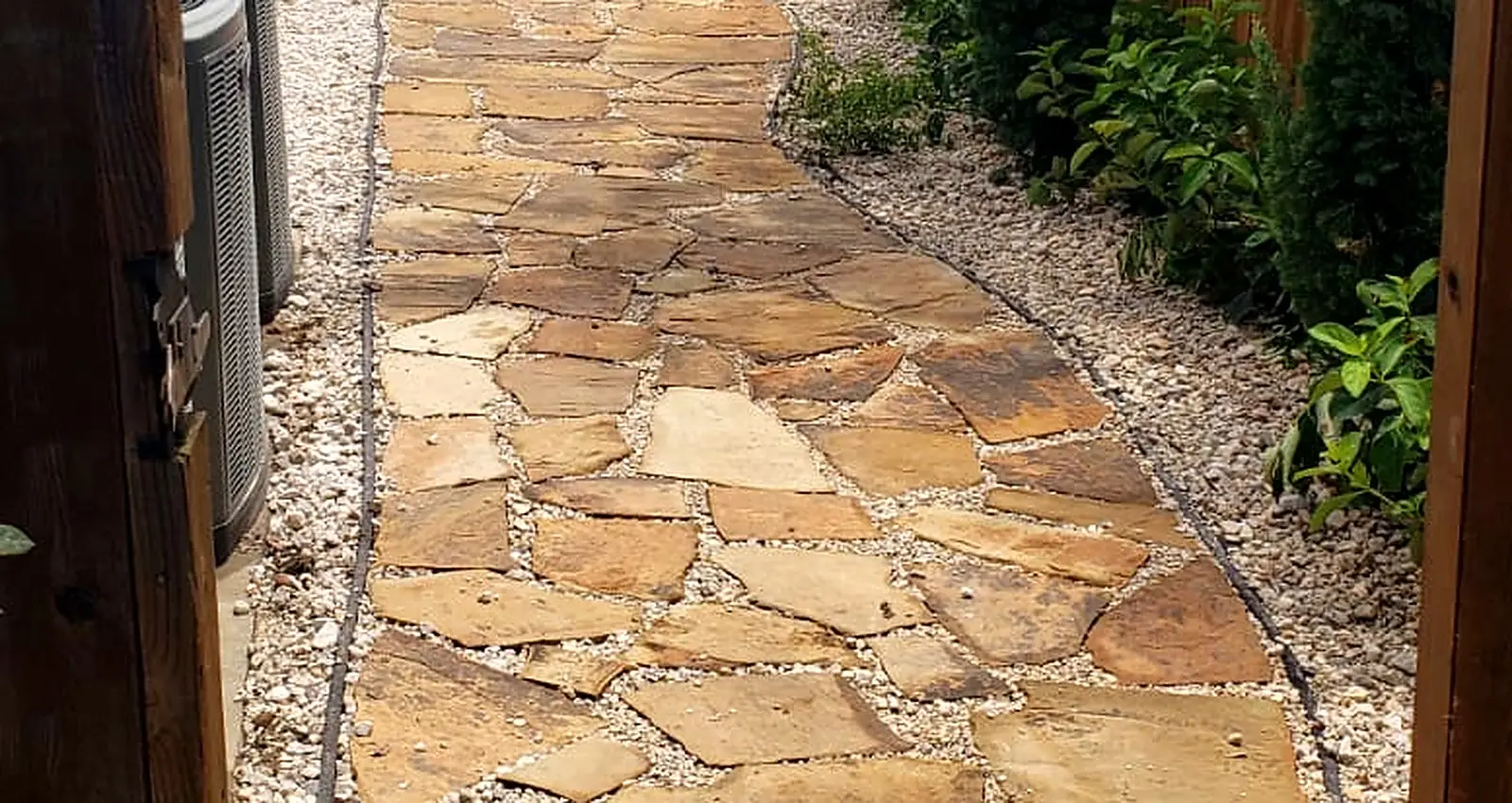
For groundcover materials, river rock, crushed granite, decomposed granite, and Mexican beach pebble all work, each with a different look and feel underfoot. Decomposed granite makes a firm path surface. Larger rock holds up better on slopes where storm runoff would wash finer material away. Steel or block edging keeps each material in its place.
05
Xeriscaping Cost Factors in Houston
The size of the area converted and the share that becomes planted bed versus gravel or decomposed granite are the main drivers. Turf removal and haul-off, soil amendment, raised beds, and drainage corrections add to the total. Rock and decomposed granite are priced by volume, so depth and coverage matter.
Plant sizes, edging type, and irrigation changes also affect cost. Converting spray zones to drip is usually a modest add that pays back in water savings. Get a rough range from our ballpark price tool.
06
Xeriscape Mistakes We See in Houston
The most common is planting desert species directly in flat clay beds. They look great through the first dry summer, then rot during the first wet spring. Another is laying gravel over fabric on a flat yard with no slope, creating a heat sink that also holds water after storms.
We also see xeriscapes that skipped irrigation entirely. Even drought-tolerant plants need regular water through their first summer to establish. And some yards go too far, covering every inch in rock, which reflects heat onto the house. A good xeriscape balances plants, shade, and hardscape.
07
Related Services for a Water-Wise Yard
Converting spray zones to drip is part of irrigation system installation, and existing systems can often be adapted through irrigation repair. Native shade trees from tree planting cut heat and evaporation. Shady spots where grass will not grow may suit artificial turf installation instead.
Xeriscaping is part of our complete landscaping work in Houston, planned around your drainage and how you use the yard.
08
Why Texas Urban Elements for Xeriscaping
Because our crews are NDS Certified drainage specialists, we design xeriscapes that handle Houston storms as well as drought. A Home Scout visits every property before a proposal is written, and our planting plans group plants by water needs. Our irrigation work is TDLR licensed, so drip conversions are done to code.
Proposals are itemized and covered by our price-what-we-quote guarantee. If you want to see the yard before it is built, the 3D design upgrade is $497 and credited toward the build.
Xeriscaping Questions
Can you xeriscape in Houston with all the rain?
Yes, as long as the design accounts for drainage. Houston xeriscapes use plants that handle both drought and wet spells, raised or amended beds for species that need sharp drainage, and graded gravel areas that shed water. The goal is cutting irrigation, not ignoring rain. Many native Texas plants handle both extremes well once established.
Will my HOA let me xeriscape?
Texas law limits how far property owners associations can go in banning water-conserving landscaping, but most HOAs can still require you to submit plans and follow their design guidelines. Expect to provide a layout and plant list. A plan that keeps a neat front yard with defined beds and some lawn usually gets approved without issues.
Do xeriscaped yards still need irrigation?
Most do, at least at first. New plants need regular water through their first summer to establish roots. After that, a drip system can run far less often, and some well-established native beds need water only during long dry spells. Keeping a simple drip system in place protects the landscape during Houston droughts.
Is a xeriscape hotter than a lawn?
It can be if it is mostly rock in full sun, since stone absorbs and radiates heat. A well-designed Houston xeriscape balances gravel with planted beds, groundcovers, and shade trees, which keeps surfaces cooler. Placing rock away from the west wall of the house and using plants near windows helps avoid extra heat gain.
Related Services in Houston
- Garden Design Houston
Planting plans built for Houston heat, clay and shade: bed layouts, plant palettes and soil prep drawn into your landscape design.
- Irrigation System Installation Houston
Smart irrigation systems sized to your lot's water requirements and designed around your sod species and sun exposure.
- Artificial Turf Installation Houston
Low-maintenance turf installed on a compacted decomposed granite base with proper subsurface drainage.
- Sod Installation Houston
St. Augustine, Bermuda, and Zoysia sod installed after grading and drainage are confirmed, not before.
- Flower Bed Installation Houston
Defined flower and plant beds with proper edging, amended soil, and species selected to thrive in Houston's heat and humidity.
- Backyard Landscaping Houston
Complete backyard transformations including drainage, planting, and hardscape integration.
Xeriscaping is part of our Landscaper Houston services. Texas Urban Elements is a Houston landscape designer that designs and builds every part of the yard.
Need an Assessment?
We assess your yard and provide a permanent solution. Professional project consultation. A Home Scout personally visits every property.
What you get
- A Home Scout on siteA trained scout walks and measures every property before a proposal is written.
- Itemized written proposalPriced line by line, and we price what we quote.
- One team, every tradeNo subcontractor hand-offs between drainage, base and finish.
- 72-hour walkthroughWe come back after completion to check the work with you.
- Backed by guaranteesDrainage Performance Guarantee and a structural warranty on hardscape.
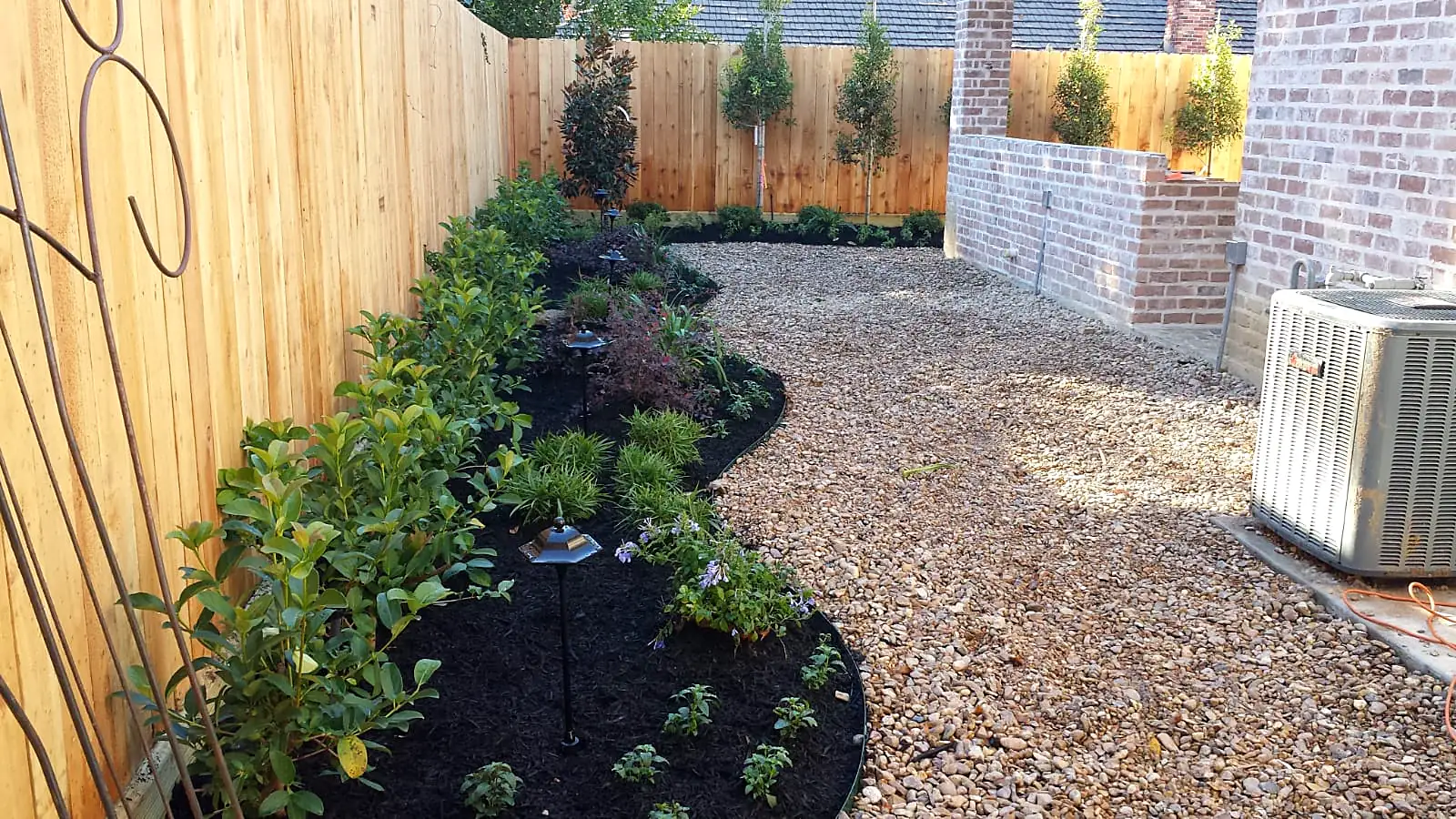
Texas Urban Elements job photos
Xeriscaping jobs in Houston
Photos from our own projects, edited for the web. Tap a thumbnail to see it larger.
Let's Get Started
Don't wait until the problem gets worse. Schedule your professional project consultation today.
For a full overview of landscaper options in Houston, see our Landscaper Houston page.