
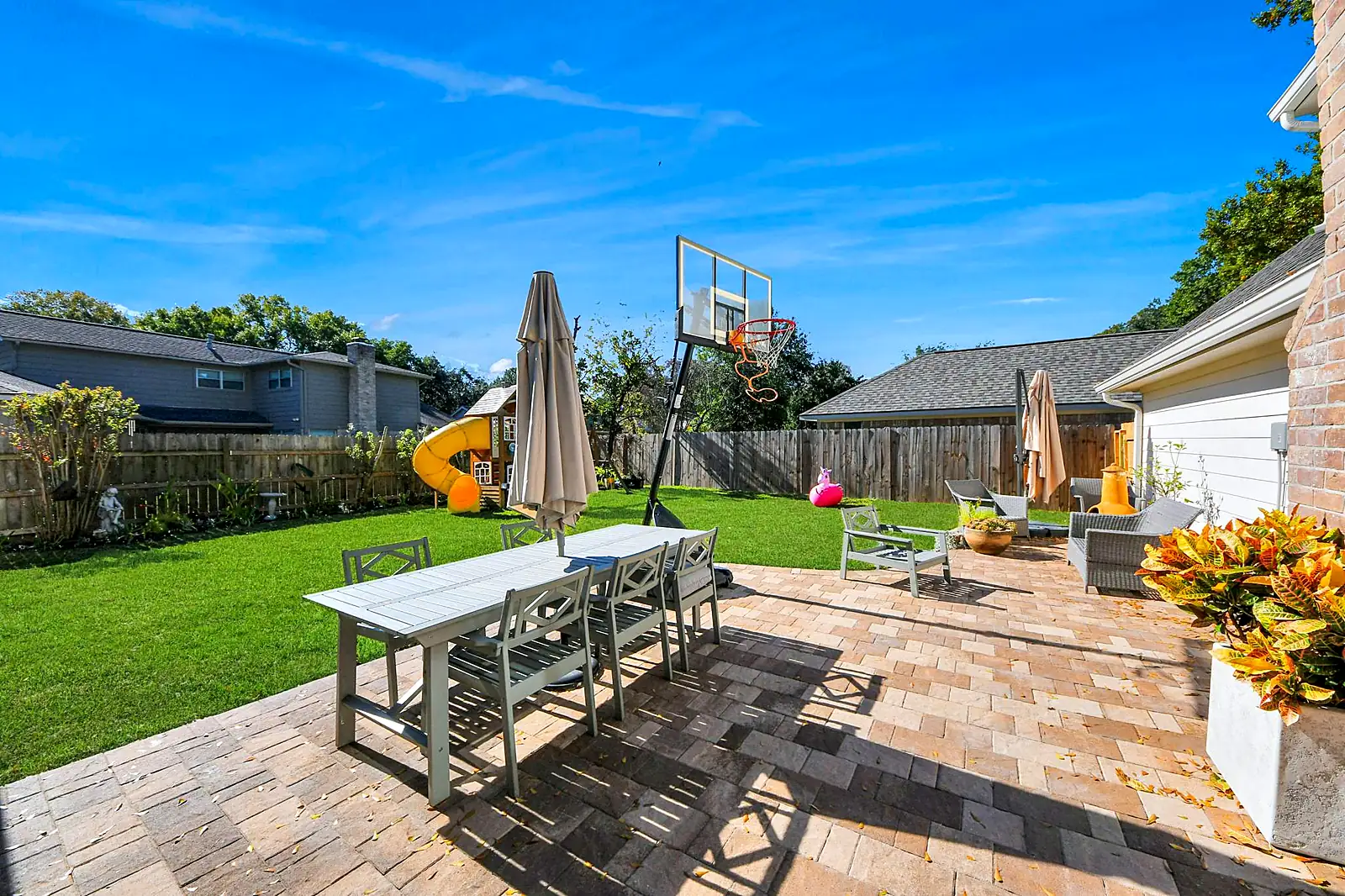
Paver Installation Houston, TX
Custom Walkways and Courtyards with Proper Edge Restraint
Paver installation in Houston comes down to one idea: hundreds of small units only act like one surface when they are locked together on a base that does not move. Interlocking pavers spread a load across their neighbors through tight joints and a firm edge, which is why a well built paver surface can carry a car and still be repaired one stone at a time.
We install concrete pavers, clay brick pavers and travertine for patios, walkways, courtyards, pool surrounds and driveways across the Houston metro. This page explains how interlocking systems work, what each material is good at, how our crews lay them, and what to watch out for before you hire anyone to put pavers on Expansive clayClay soil that swells when wet and shrinks when dry. Much of the Houston area sits on it, and it affects foundations, paving and drainage design. In practice: Keeping soil moisture around a slab foundation steady, without ponding or bone-dry spells, is part of good drainage design here..
What's under it · tap a layer
Pavers. Individual paving units laid in a pattern. Joint sand and an edge restraint hold them tight, so the surface can flex slightly without cracking.
01
Where Paver Installation Makes the Most Sense
Pavers are the right call when you want a surface that can move a little without breaking, when you want pattern and color options a slab cannot give you, or when you know there are utilities or tree roots below that may need access later. Pulling up twenty pavers to fix a line is a different job than sawing out a section of concrete.
They also suit spaces that need to blend: a patio that steps down to a fire pit, a walk that widens into a landing, a pool deck that ties back into the house. For patio specifics, see our patio paver installation page. For front entries and paths, see walkway paving.
02
How Interlocking Pavers Work
An interlocking paver system has four parts that work together. The compacted Base courseThe layer of compacted crushed stone or road base placed over the subgrade to support paving. carries the load. A thin, screeded bedding layer gives each unit an even seat. The pavers themselves are set tight so the joints are narrow. Polymeric sand fills those joints, and a rigid Edge restraintA fixed border along a paver field that keeps the units from spreading apart. keeps the whole field from creeping outward.
Interlock happens in three directions. Vertical interlock comes from joint sand that lets each paver share load with the next one. Rotational interlock comes from tight joints and a firm edge, so units cannot tip. Horizontal interlock comes from the laying pattern. Herringbone patterns resist turning and braking forces better than running bond, which is why they are standard for driveways.
On Houston clay, separating the native soil from the base with geotextile fabric where the SubgradeThe native soil beneath a paving or structure after it has been excavated and prepared. In practice: Houston clay subgrades move with moisture changes, which is why base preparation and drainage underneath matter. is soft keeps fines from pumping up into the aggregate during wet months. Without that separation, a base slowly turns to mud from the bottom up.
03
Our Paver Installation Process
We lay out the space with you before cutting any sod, then follow the same sequence on every job:
- Mark the layout, finished heights and fall direction, and confirm where water will exit the surface.
- Excavate to the depth required for the use: shallower for foot traffic, deeper for vehicles.
- Install fabric where the subgrade calls for it, then place and compact aggregate base in lifts.
- Screed the bedding layer to grade without walking on it after it is struck.
- Lay pavers from a straight reference line, checking pattern and joint lines as the field grows.
- Cut edges with a wet saw, set the edge restraint, and spike or pin it in place.
- Plate compact the field, sweep in polymeric sand, compact again and activate the sand with water.
04
Paver Materials and Patterns
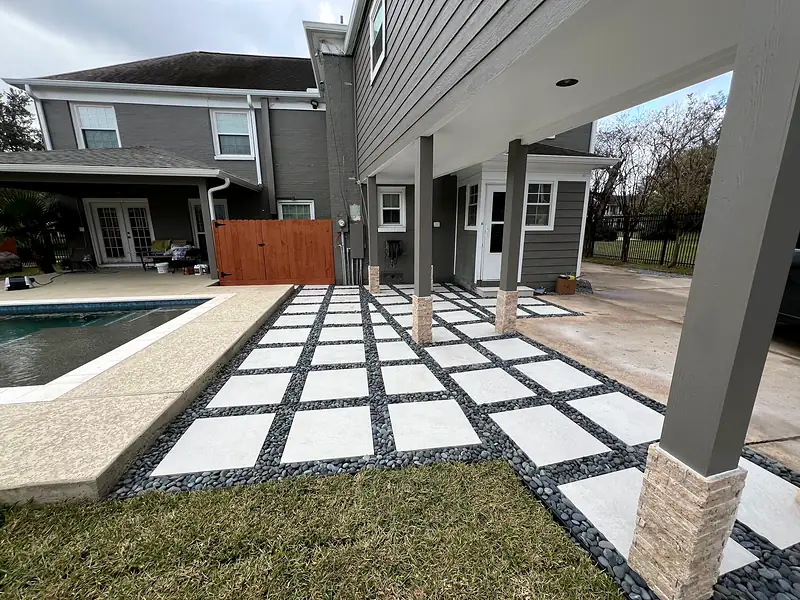
Concrete pavers are the most versatile. They come in many shapes, textures and blends, and manufactured units are consistent in size, which keeps joints tight. We install Belgard products as a Belgard Authorized Contractor, and you can read why on our Belgard explainer.
Clay brick pavers are fired, so their color runs through the unit and does not fade in UV the way surface pigment can. They suit traditional homes and are covered on our brick paver driveway page. Travertine is a natural stone with a cool surface underfoot, which makes it popular around pools, though it needs a careful base and sealing plan.
Pattern choice is both visual and structural. Herringbone at 45 or 90 degrees locks well under vehicles. Running bond and stack bond read clean and modern on patios. Multi-size ashlar patterns look like cut stone and hide small color variation.
05
Paver Installation Cost Factors
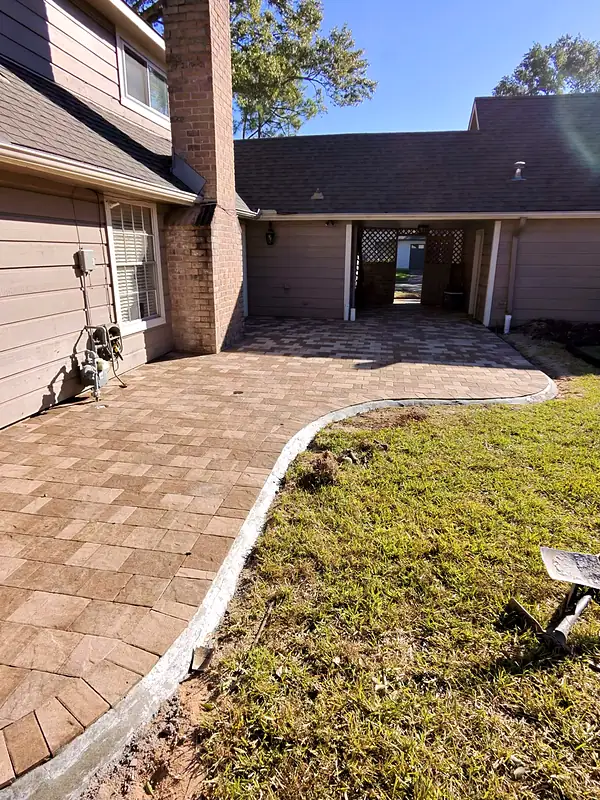
The price of a paver surface depends on area, the paver line you choose, the pattern, how many cuts the shape requires, base depth for the intended traffic, and site access. Curves, borders, steps and inlays all add labor. Demolition of an existing patio or driveway and haul-off adds cost before the new work begins.
Drainage is another variable. A patio tight to the house on a flat lot may need a Channel drainA long, narrow grated drain set into paving to catch sheet flow along an edge, such as at a garage door or patio edge. or a tie-in to an existing yard drain. Check our ballpark price tool for a starting range, then the site visit sets the real scope.
06
What Goes Wrong With Cheap Paver Jobs
We are regularly called to rework pavers that were set on sand alone, on a base that was dumped and raked but never compacted, or on bedding sand piled several inches thick to make up for a bad grade. Thick bedding layers rut under load. Missing restraint lets the outside rows drift into the lawn.
Other repeat problems: regular play sand in the joints, which washes out and invites ants, and pavers pitched back toward the slab. Once a paver field settles, it usually needs to be lifted, the base rebuilt, and the same pavers relaid.
07
Projects That Pair With Paver Installation
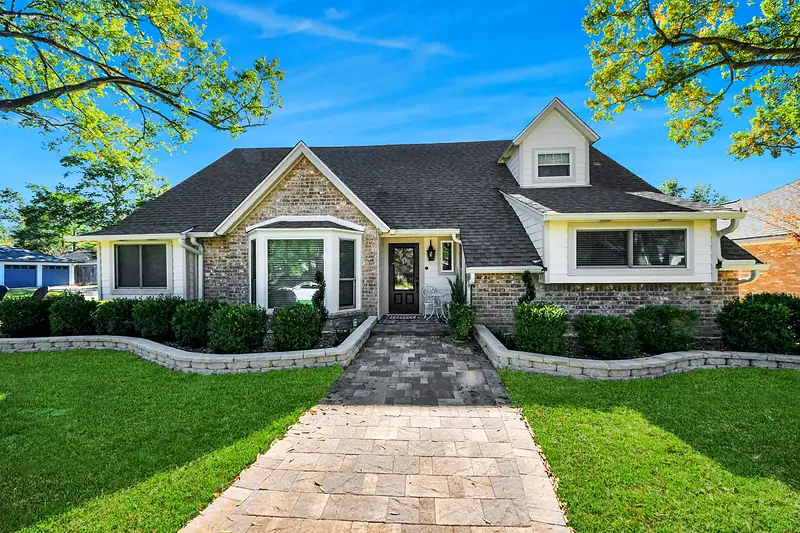
Pavers often lead into other hardscape work. Grade changes between a door, patio and yard are handled with outdoor steps built from matching units. If you want to see the layout in 3D before committing, start with hardscape design.
Once the surface is down, joint stabilization and a protective coat can be added later through paver sealing. As a full paving contractor in Houston, we can also tie the new surface into drainage and landscape work on the same schedule.
08
Why Texas Urban Elements for Pavers
Our crews do the excavation, base work, laying and cutting themselves. There are no subcontractor hand-offs, so the people who compact your base are the ones who answer for how the surface looks a year later. We are a Belgard Authorized Contractor, and our hardscape is backed by a structural warranty.
For larger spaces, our design team can produce CAD drawings and 3D renderings, with the 3D design upgrade at $497 credited toward the build. Proposals are itemized, and we price what we quote.
Paver Installation Questions
Are pavers better than concrete in Houston?
Neither is better in every case. Pavers flex with soil movement and can be repaired one unit at a time, and they offer more design range. Concrete costs less per square foot in many layouts and has fewer joints to maintain. On expansive clay, pavers are more forgiving of small movement, but both need a well compacted base and correct slope to last.
What are interlocking pavers?
Interlocking pavers are concrete or clay units laid tight together so each one shares load with its neighbors. Joint sand, a firm edge restraint and the laying pattern stop them from sliding, rotating or spreading. The result behaves like a flexible pavement that can carry foot traffic or vehicles and still be lifted and reset if the ground below needs work.
How deep should the base be for pavers?
It depends on use and soil. Patios and walkways typically need a shallower compacted base than driveways, and soft or wet clay calls for more depth and often geotextile fabric. The principle is to place enough compacted aggregate that the load spreads before it reaches the clay. We set the depth after looking at your soil and how the area will be used.
Does polymeric sand stop weeds and ants?
Polymeric sand binds when activated with water and resists washout, so it greatly reduces weeds rooting in joints and ants tunneling through them. It is not permanent. Heavy pressure washing, poor installation or years of weather can break it down. When joints start to open, cleaning and re-sanding restores them.
Can I drive on pavers right after installation?
Paver driveways built on a properly compacted base can usually take vehicles as soon as the joints are filled and the surface is compacted. There is no cure time as with concrete. Polymeric sand does need a short dry period after activation, so we will tell you when to keep cars and hoses off it.
Most of these projects start on paper. See how we approach hardscape design in Houston before anything is built.
Related Services in Houston
- Hardscape Design Houston
Driveways, walkways, walls, and paver surfaces designed with proper base and drainage for Houston soil.
- Patio Paver Installation Houston
Paver patios set on a compacted base with proper pitch, edge restraint, and polymeric joint sand.
- Paver and Driveway Sealing Houston
Cleaning, re-sanding, and sealing of paver patios, paver driveways, and concrete driveways.
- Driveway Paving Houston
Concrete, brick paver, and paver driveways built on properly compacted base with the pitch to keep water away from the garage. Whether you want a brick paver driveway or a poured concrete surface, we build it to last.
- Driveway Resurfacing Houston
Overlay, resurfacing, crack repair, section replacement, and base correction for driveways with surface damage, isolated failure points, or sunken areas, restoring the surface and fixing the base underneath.
- Walkway Paving Houston
Paved pathways connecting outdoor spaces: poured concrete, pavers, or flagstone with proper drainage pitch.
Paver Installation is part of our Paving Contractor Houston services. Texas Urban Elements is a Houston landscape designer that designs and builds every part of the yard.
Need an Assessment?
We assess your yard and provide a permanent solution. Professional project consultation. A Home Scout personally visits every property.
What you get
- A Home Scout on siteA trained scout walks and measures every property before a proposal is written.
- Itemized written proposalPriced line by line, and we price what we quote.
- One team, every tradeNo subcontractor hand-offs between drainage, base and finish.
- 72-hour walkthroughWe come back after completion to check the work with you.
- Backed by guaranteesDrainage Performance Guarantee and a structural warranty on hardscape.
Texas Urban Elements job photos
Paver Installation jobs in Houston
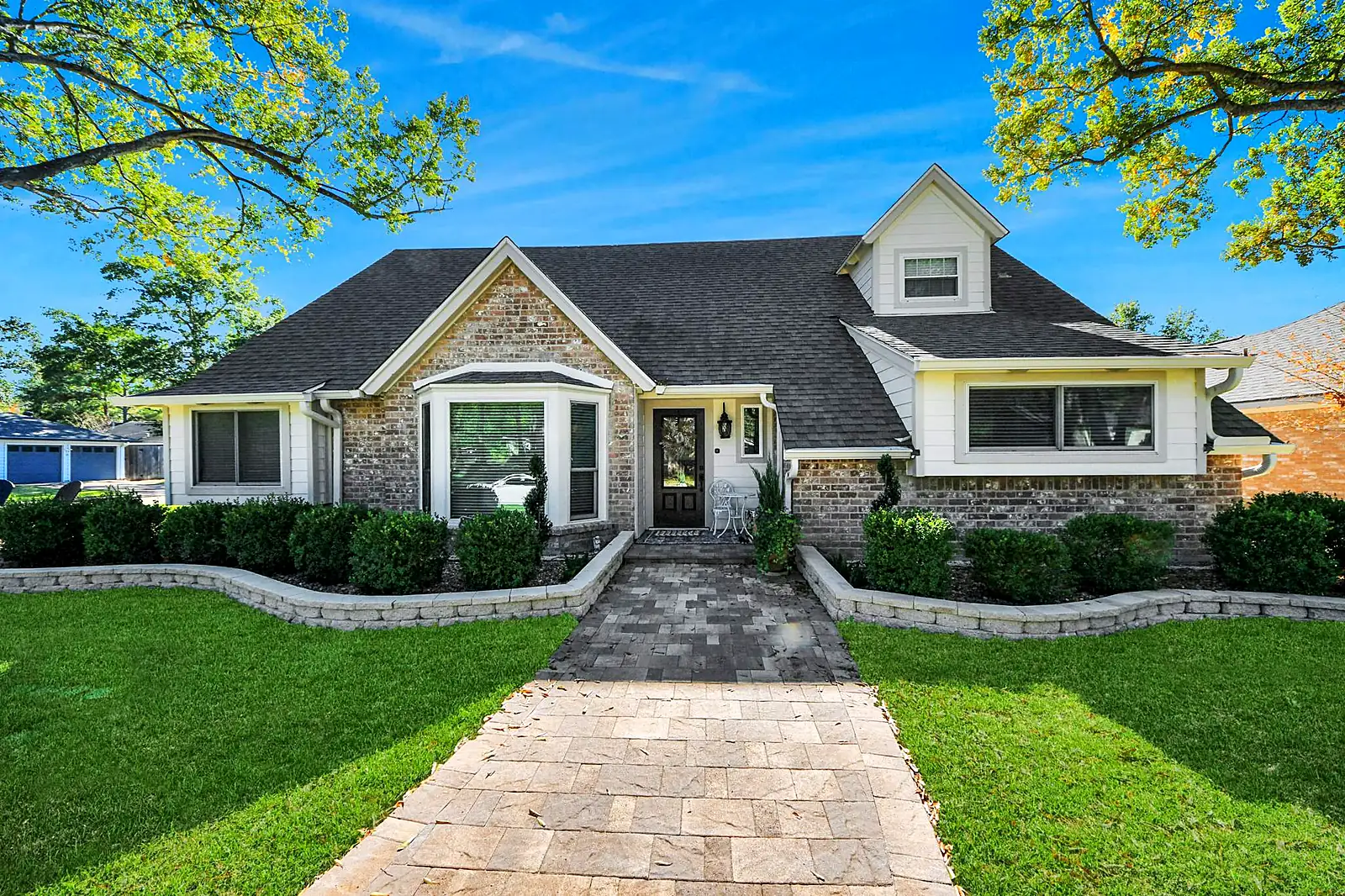
Photos from our own projects, edited for the web. Tap a thumbnail to see it larger.
Let's Get Started
Don't wait until the problem gets worse. Schedule your professional project consultation today.
For a full overview of paving contractor options in Houston, see our Paving Contractor Houston page.